In-situ testing forms the backbone of reliable geotechnical engineering in Boise, providing direct measurements of soil and rock properties without the disturbance that comes from sampling and lab work. This category encompasses a range of field tests that evaluate density, strength, permeability, and deformation characteristics right where the materials lie. For Boise's growing infrastructure and expanding residential developments, in-situ testing is not just a technical requirement—it is the foundation of safe, cost-effective design. Engineers rely on these methods to validate assumptions, refine foundation designs, and ensure compliance with local building codes.
Boise sits in a unique geological setting along the Boise River Valley, where the subsurface is shaped by ancient Lake Idaho deposits, alluvial fans, and basalt flows from the nearby Snake River Plain. This creates a complex mosaic of silts, clays, sands, and gravels, often with cobbles and boulders that challenge conventional drilling. The shallow groundwater table in many areas, particularly near the river, further complicates site characterization. In-situ tests like the field density test (sand cone method) are critical here because they capture the true state of compaction in granular soils that can be difficult to sample intact.
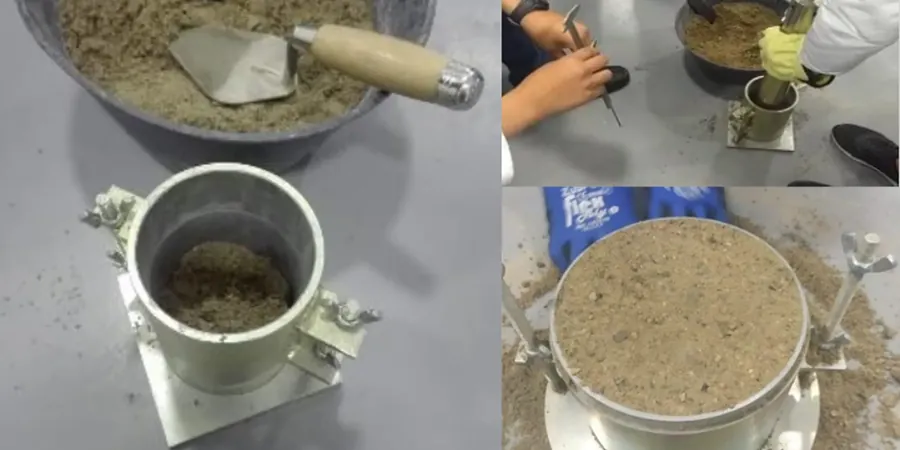
Local and national standards govern every test performed in the field. The International Building Code, adopted by the City of Boise, references ASTM International standards extensively. For instance, ASTM D1556 outlines the sand cone method for field density, while ASTM D1586 governs the Standard Penetration Test. The Idaho Transportation Department also mandates specific in-situ testing protocols for roadway and bridge projects. Adherence to these norms ensures that data is defensible, repeatable, and accepted by regulatory agencies during plan review and permitting.
Projects that demand in-situ testing range from high-rise construction in downtown Boise to infrastructure upgrades along I-84 and residential subdivisions in Meridian and Eagle. Any structure that transfers load to the ground—whether a multi-story office building, a warehouse slab, or a retaining wall—benefits from accurate field data. Roadway embankments, utility trenches, and stormwater infiltration systems all require density and permeability verification. In flood-prone areas near the Boise River, in-situ testing also supports levee stability analyses and seepage assessments, making it indispensable for public safety.
Available services
Common questions
What is in-situ testing and why is it preferred over laboratory testing in Boise?
In-situ testing measures soil and rock properties directly in the field, minimizing disturbance that occurs during sampling and transport. In Boise, where soils often contain cobbles, gravels, and variable alluvial deposits, obtaining undisturbed lab samples is difficult. Field tests like the Standard Penetration Test or cone penetration testing provide more representative data on density, strength, and stratigraphy, leading to more accurate foundation designs.
Which ASTM standards apply to in-situ testing in Boise?
ASTM International standards govern most in-situ tests used locally. Common ones include ASTM D1586 for the Standard Penetration Test, ASTM D1556 for the sand cone density method, ASTM D5778 for cone penetration testing, and ASTM D4429 for bearing capacity tests. The City of Boise and Idaho Transportation Department reference these standards in their project specifications and building code requirements.
How do Boise's soil conditions affect in-situ testing methods?
Boise's subsurface often features interbedded sands, silts, and gravels with basalt bedrock at varying depths. Gravelly soils and cobbles can limit the use of delicate probes, making robust methods like the Standard Penetration Test or Becker Penetration Test more suitable. The shallow groundwater table near the Boise River also requires careful test selection to avoid borehole collapse and ensure accurate pore pressure measurements.
When is in-situ testing required for construction projects in Boise?
In-situ testing is typically required during the geotechnical investigation phase for most commercial, industrial, and infrastructure projects. Specific triggers include foundation design for structures over one story, roadway subgrade verification, retaining wall design, and stormwater infiltration testing. The Boise City Building Department may also require field density tests for compacted fill under slabs and pavements before issuing final approvals.