Slope engineering in Boise is a critical discipline that addresses the stability and safety of natural and man-made hillsides across the Treasure Valley and surrounding foothills. This category encompasses comprehensive geotechnical services aimed at evaluating, designing, and mitigating slope-related hazards that affect residential developments, transportation corridors, and commercial projects. With Boise's rapid population growth pushing construction into steeper terrain, understanding slope behavior has become essential for protecting property and lives. The practice integrates geology, soil mechanics, and structural engineering to prevent landslides, erosion, and retaining structure failures that could otherwise lead to catastrophic consequences.
Boise's unique geological setting presents distinct challenges for slope stability. The region sits at the boundary between the Boise Front foothills and the Snake River Plain, characterized by complex formations of basalt flows, rhyolite, and sedimentary deposits from ancient Lake Idaho. Many hillside areas contain colluvial soils and weathered bedrock that can be prone to movement when saturated by irrigation or seasonal precipitation. The steep canyons and drainages north of the city, including areas near Table Rock and the Military Reserve, exhibit active erosion processes and historic landslide features that demand careful geotechnical evaluation before any development proceeds.
Local regulations governing slope stability are primarily enforced through the City of Boise's Hillside Development Ordinance and the International Building Code (IBC) with Idaho-specific amendments. Chapter 33 of the IBC, which addresses excavations and grading, applies alongside the Idaho Division of Building Safety requirements for geotechnical investigations on slopes exceeding 15 percent grade. The Ada County Highway District also imposes standards for slope setbacks and drainage management along public rights-of-way. A thorough slope stability analysis is typically mandatory for any project proposing cuts, fills, or structures on slopes steeper than 3:1, ensuring compliance with minimum safety factors against sliding and rotational failure.
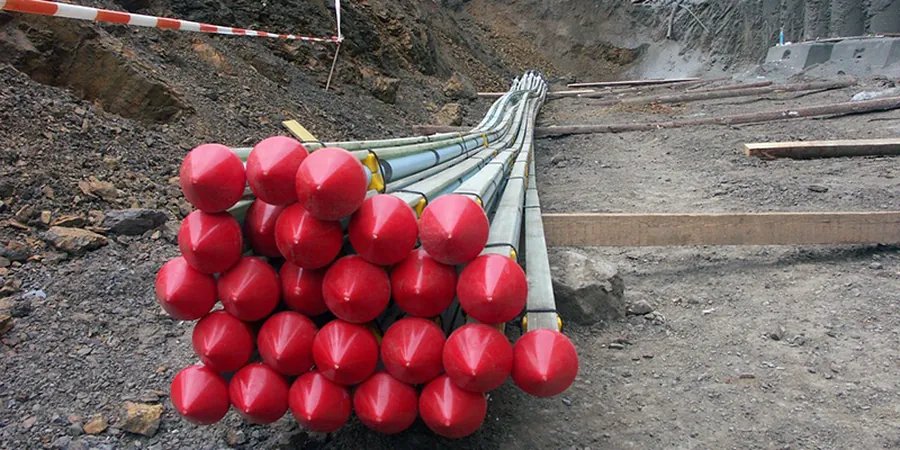
Projects requiring slope engineering services span a wide spectrum in the Boise metro area. Hillside residential subdivisions in areas like Harris Ranch and Hidden Springs routinely need evaluation to prevent foundation distress and lot destabilization. Commercial developments along the Boise River Greenbelt often require retaining wall design to create usable level pads while stabilizing adjacent slopes. Infrastructure projects, including road widenings along State Highway 21 and new bridge approaches, depend on robust active/passive anchor design to reinforce cut slopes and prevent rockfall hazards. Even smaller-scale projects like residential pool installations on sloping lots demand professional assessment to avoid triggering instability.
Common questions
What are the most common signs of slope instability in Boise's foothill areas?
Common indicators include tension cracks in soil or pavement near slope crests, tilting trees or utility poles, bulging at the slope toe, and water seeping from the slope face. In Boise's colluvial soils, sudden changes in drainage patterns or new springs after heavy irrigation or snowmelt often signal developing instability. Homeowners should also watch for sticking doors or windows and cracks in foundations on hillside properties.
When is a slope stability analysis required for a development project in Boise?
The City of Boise typically requires a slope stability analysis when proposed grading or construction occurs on slopes steeper than 15 percent, or when cuts and fills exceed certain heights. Projects within mapped landslide hazard zones or near major drainages also trigger this requirement. The analysis must demonstrate minimum safety factors in accordance with IBC and local amendments for both static and seismic conditions.
How do Boise's soil conditions affect retaining wall design?
Boise's varied geology, from expansive clay soils in the valley to fractured basalt in the foothills, significantly influences retaining wall design. Expansive soils impose swelling pressures that can overload walls without proper drainage and backfill specifications. Rock slopes may require rock bolts or anchored systems instead of conventional walls. Groundwater perched in hillside colluvium also demands careful drainage design behind retaining structures.
What role do anchors play in stabilizing slopes in the Boise region?
Anchors provide essential reinforcement for slopes where space constraints or height limitations make conventional grading impractical. In Boise's basalt formations, high-capacity rock anchors can stabilize large cut faces along highways and building excavations. Passive anchors, like soil nails, are commonly used in residual soils to reinforce near-surface materials, while active post-tensioned anchors address deeper-seated instability in colluvial deposits.