Foundations serve as the critical interface between any structure and the ground beneath it, transferring loads safely into the earth while anchoring buildings against settlement, uplift, and lateral forces. In Boise, where soil conditions range from dense river gravels near the Boise River to expansive clays on the benchlands, a properly engineered foundation is not a commodity—it is a necessity shaped by local geology. Residential, commercial, and public infrastructure projects alike depend on foundation systems that account for the region's unique subsurface variability, seismic requirements, and frost depth considerations. Without this tailored approach, structures risk differential movement, cracking, or long-term durability issues that can compromise both safety and value.
Boise sits within the western Snake River Plain, a complex geological basin filled with thick sequences of fluvial and lacustrine sediments deposited over millions of years. Much of the city center and areas near the Boise River rest on coarse-grained alluvium—sands and gravels that provide excellent bearing capacity but can be prone to scour or liquefaction during seismic events. Moving onto the surrounding foothills and elevated terraces, soils transition to finer-grained silts and clays, some with moderate to high expansion potential. Groundwater levels also fluctuate seasonally and by location, with shallow water tables common along the river corridor. These conditions demand a foundation approach informed by thorough geotechnical investigation rather than rule-of-thumb assumptions.
Foundation design and construction in Boise must comply with the International Building Code (IBC) as adopted by the State of Idaho and locally amended by the City of Boise. The IBC references ASCE 7 for structural loads, including seismic design parameters specific to Boise's Seismic Design Category C or D depending on site class. Chapter 18 of the IBC governs geotechnical investigations and foundation design, requiring soil borings, laboratory testing, and engineering recommendations for bearing capacity, settlement, and lateral earth pressures. For residential projects, the International Residential Code (IRC) provides prescriptive foundation provisions, though site-specific geotechnical reports are increasingly required by local building officials when expansive soils or high groundwater are present. Compliance with these codes is not only a legal obligation but a practical safeguard against the region's geological challenges.
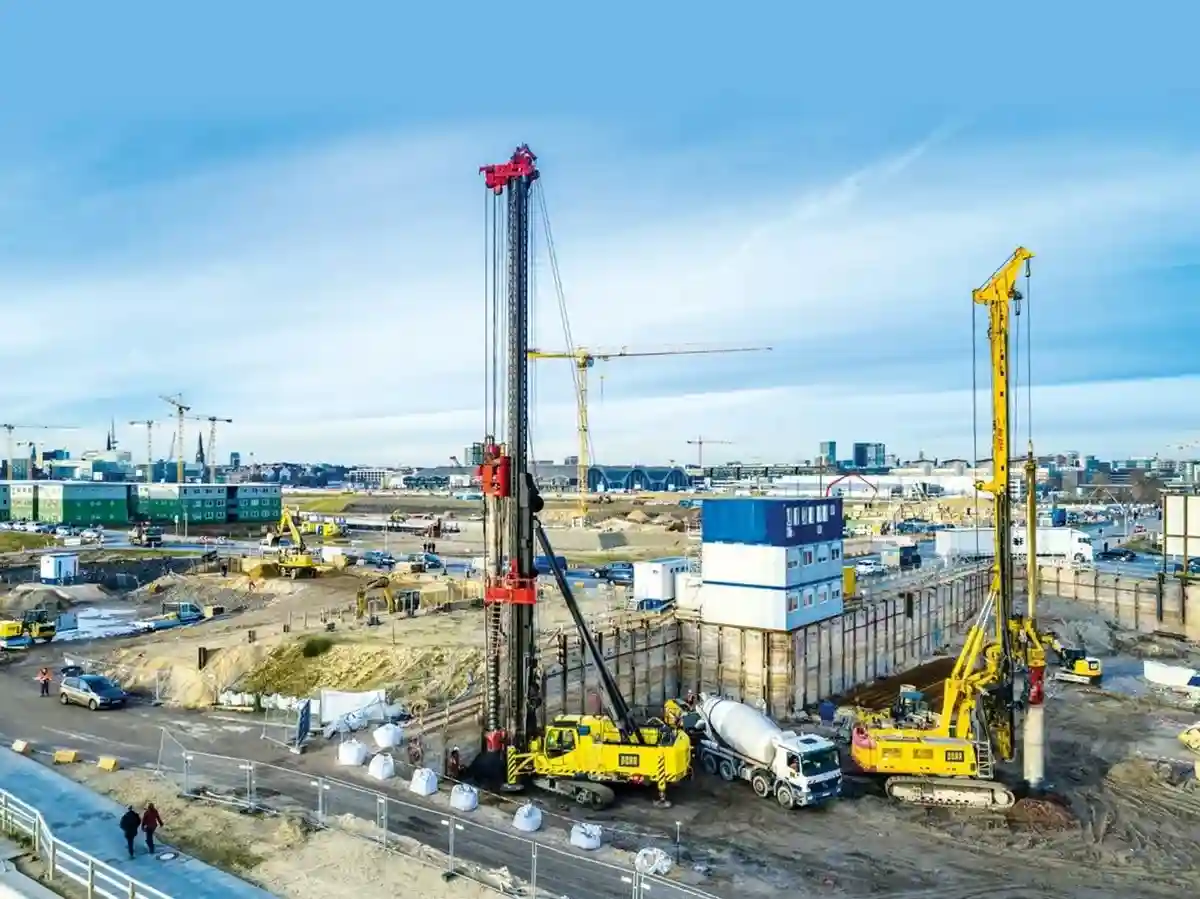
Projects requiring engineered foundations in Boise span a broad spectrum, from single-family homes on hillside lots to mid-rise commercial buildings in the downtown core. Deep foundation solutions such as pile foundation design become essential when near-surface soils lack sufficient bearing capacity, when liquefaction mitigation is required, or when heavy column loads must bypass weak strata to reach competent bearing layers. Driven piles, drilled shafts, and helical piers are all employed locally, with selection driven by soil profile, access constraints, and structural demands. Even for conventional shallow footings, site-specific design is critical where expansive clays are encountered, often requiring over-excavation, moisture conditioning, or structural floor systems to isolate the superstructure from ground movements. Retaining walls, basement walls, and mat foundations also fall under the broader category, each demanding careful consideration of lateral earth pressures, drainage, and frost protection per local requirements.
Available services
Common questions
What types of foundations are most common in Boise and why?
Shallow foundations, such as spread footings and slab-on-grade systems, predominate in areas with competent gravelly soils near the Boise River. In benchland and foothill locations where expansive clays or weak fill are present, deep foundations like drilled piers or helical piles are often required to reach stable strata and mitigate heave or settlement risks.
When is a geotechnical investigation required for a foundation project in Boise?
The City of Boise typically requires a geotechnical report for commercial, multi-family, and hillside residential projects, as well as any structure sited on suspect soils. Even when not mandated by code, an investigation is strongly recommended to identify expansive clays, shallow groundwater, or liquefaction potential that could compromise foundation performance.
How do Boise's seismic requirements affect foundation design?
Boise falls within Seismic Design Category C or D under ASCE 7, depending on site soil class. Foundations must be designed to resist lateral forces and potential ground failures such as liquefaction in saturated granular soils. Deep foundations may require specific detailing for ductility, and shallow foundations on loose sands often need ground improvement to meet code.
What is the typical frost depth for foundation design in Boise, and how does it impact construction?
The locally adopted frost depth for Boise is 24 inches below finished grade, per IRC and IBC requirements. Footings and grade beams must bear below this depth to prevent frost heave, which can lift and crack foundations. In heated structures, interior footings may be exempt, but perimeter foundations must consistently meet this standard.