Road geotechnics in Boise forms the critical foundation upon which all successful transportation infrastructure is built. This specialized discipline bridges the gap between natural ground conditions and engineered pavement systems, ensuring that roads, highways, and urban streets can withstand decades of traffic loading while resisting the unique environmental challenges present in southwestern Idaho. From the initial subsurface investigation through final pavement design, road geotechnical engineering addresses soil behavior, drainage characteristics, and material properties to create stable, durable roadways that serve both urban commuters and rural freight corridors.
Boise's geological setting presents distinctive challenges that demand specialized geotechnical expertise. The city sits within the Treasure Valley, where the Boise River has deposited complex layers of alluvial sediments including sands, silts, and gravels. Many areas feature expansive clay soils that undergo significant volume changes with seasonal moisture fluctuations, while other locations contain loose, compressible deposits requiring ground improvement. The proximity to the Boise foothills introduces colluvial soils and weathered bedrock, and the region's semi-arid climate with winter freeze-thaw cycles creates additional stresses on pavement structures. Understanding these local conditions is essential for proper CBR study for road design and foundation analysis.
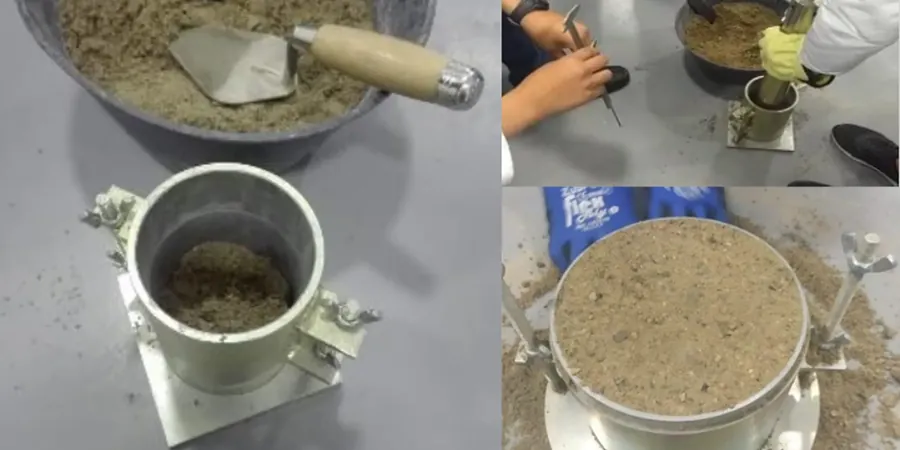
Road geotechnical projects in Idaho must comply with standards established by the Idaho Transportation Department (ITD) and local agencies such as the Ada County Highway District (ACHD). These specifications reference national guidelines including AASHTO methods for soil classification, compaction requirements, and pavement design procedures. ITD Standard Specifications for Highway Construction govern earthwork, subgrade preparation, and materials testing, while the International Building Code (IBC) with Idaho-specific amendments influences geotechnical investigation requirements. Environmental regulations from the Idaho Department of Environmental Quality also affect soil management and erosion control during construction.
The scope of road geotechnics extends across a diverse range of project types throughout the Boise metropolitan area. Major arterial widenings along State Street or Chinden Boulevard require comprehensive subsurface characterization and engineered fill placement. Residential subdivision streets in rapidly growing communities like Meridian and Eagle demand careful subgrade stabilization to prevent premature pavement distress. Commercial development access roads, industrial facility pavements, and rural highway realignments each present unique geotechnical challenges. Whether the project calls for flexible pavement design using asphalt concrete or rigid pavement design with Portland cement concrete, the underlying geotechnical investigation determines long-term performance.
Common questions
What does road geotechnics encompass and why is it important for infrastructure projects?
Road geotechnics encompasses the investigation, analysis, and design of soil and rock materials that support pavement structures. It includes subsurface exploration, laboratory testing, subgrade evaluation, drainage analysis, and ground improvement design. This discipline is essential because inadequate geotechnical assessment often leads to premature pavement failure, costly maintenance, and safety hazards. Proper geotechnical engineering ensures that roads withstand traffic loads and environmental conditions throughout their design life.
How do Boise's soil conditions affect road construction and pavement performance?
Boise's Treasure Valley contains alluvial deposits with highly variable characteristics, including expansive clay soils prone to swelling and shrinkage with moisture changes. These volume changes can cause pavement cracking and differential heave. Loose sandy deposits may require densification, while high groundwater in some areas complicates subgrade preparation. The foothills introduce rocky materials with different bearing capacities. Understanding these local conditions through proper site investigation determines appropriate subgrade treatment and pavement design approaches.
What regulations and standards govern geotechnical work for roads in Idaho?
The Idaho Transportation Department Standard Specifications for Highway Construction provides the primary framework for road geotechnical work on state-funded projects. Local agencies like the Ada County Highway District maintain supplemental standards. AASHTO guidelines govern soil classification, compaction testing, and pavement design methodologies. Geotechnical investigations must meet ITD requirements for boring depth, sampling frequency, and laboratory testing protocols. Environmental compliance with Idaho DEQ regulations also applies to soil disturbance and erosion control measures.
When should a geotechnical investigation be performed for a road project in Boise?
A geotechnical investigation should be conducted during the preliminary design phase, well before final pavement design decisions are made. Early investigation allows adequate time for laboratory testing of soil samples, analysis of settlement potential, and evaluation of expansive soil risks. For major arterial projects or areas with known problematic soils, phased investigations may be appropriate, starting with a broader reconnaissance and progressing to detailed exploration at critical locations. This proactive approach prevents costly design changes and construction delays.