The bench near the Boise River and the terrace up in the North End tell two completely different stories about soil. One is sandy loam over gravel deposits. The other is silt and clay that holds water for days after irrigation stops. We see this contrast every week in our lab when Proctor samples arrive from both zones. The optimum moisture content shifts dramatically between these materials, and that directly impacts how a contractor runs their compactor. A fill that passes density testing on a subdivision in Harris Ranch might fail on the same spec in a project near the airport. Getting the Proctor test done early, before mass earthwork begins, eliminates those surprises. For deeper site characterization we often combine the Proctor with test pit logging to verify the source material matches what we're compacting.
One Proctor curve per borrow source. Run the test again if the material changes color by two shades or more.
Our approach and scope
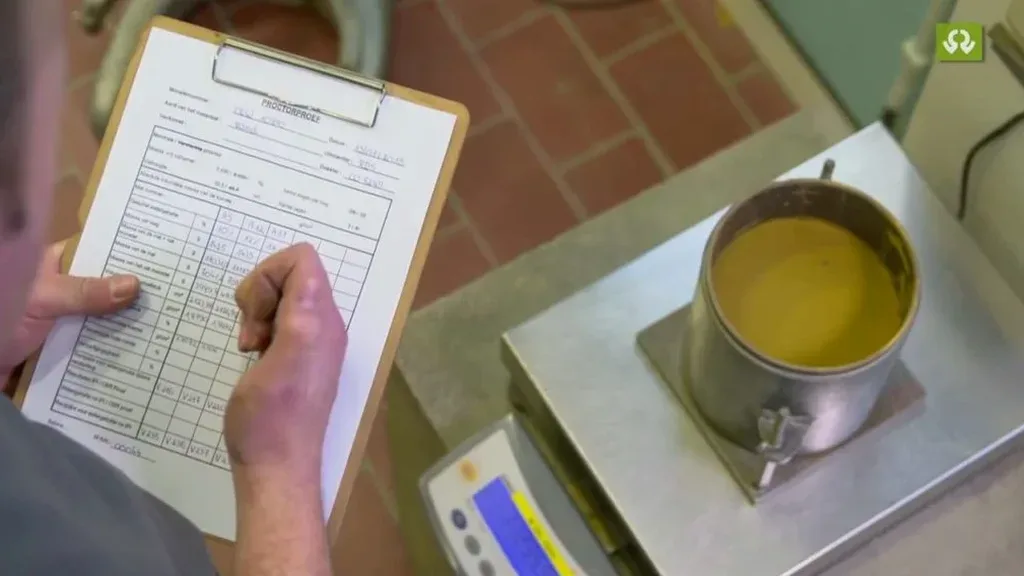
Local ground factors
The high desert climate east of town and the irrigated farmland west of Meridian create two moisture regimes that clash in the lab. A borrow sample collected after a week of pivot irrigation will register a natural moisture content far above optimum. If the lab runs the Proctor without air-drying the sample to a realistic field condition, the resulting curve misleads the grading crew. We see this in late summer when canal water floods certain fields and contractors scramble to finish subdivision pads before the weather turns. Another risk specific to Boise is the presence of volcanic ash lenses in the Glenns Ferry Formation. This material crushes under the Proctor hammer in ways that standard soils do not. The resulting density curve can look deceptively good in the report, but the material degrades under traffic loading. We flag these samples during preparation and recommend additional testing when the ash content exceeds 15 percent by visual estimate.
Relevant standards
Proctor compaction testing in Boise adheres to ASTM D698-12, ASTM D1557-12, AASHTO T-99, AASHTO T-180, and IBC 2021 Section 1803 for effective compaction control.
Other technical services
Standard Proctor (ASTM D698)
Five-point moisture-density relationship using 5.5 lb hammer and 12-inch drop. Used for residential subdivisions, landscape fills, and low-rise commercial pads where compaction effort matches typical equipment.
Modified Proctor (ASTM D1557)
Five-point curve with 10 lb hammer and 18-inch drop. Specified for highway embankments, airport runways, and heavy industrial slabs. Produces higher maximum density and lower optimum moisture.
One-Point Proctor Verification
Quick check for material consistency when the borrow source has not changed but the contractor needs confirmation. We run a single point against the existing family of curves and report the deviation within 24 hours.
Oversize Correction
When plus-No. 4 material exceeds 20 percent, we apply AASHTO T-224 correction to adjust the lab density to field conditions. This prevents overcompaction specifications that are physically impossible to achieve.
Typical parameters
Common questions
How much does a Proctor test cost in Boise?
Which Proctor should I specify for a commercial building pad in Boise?
Most commercial projects in the Treasure Valley specify 95 percent of Modified Proctor maximum dry density per ASTM D1557. The Boise City Public Works standard details generally reference this for structural fill under footings and slabs. Check your geotechnical report first. Some engineers still specify Standard Proctor for landscape areas or utility trench backfill where settlement tolerance is higher.
Do I need a new Proctor test if the borrow source changes mid-project?
Yes. Even if both pits are within a mile of each other along the Boise River, the gradation and plasticity can shift enough to change the optimum moisture content by three or four percentage points. That difference can cause a failing nuclear density test even when the contractor runs the same number of passes. We recommend running a new five-point Proctor any time the material color, texture, or source location changes noticeably.